%3Aformat(webp)&w=2048&q=80)
Ever wondered about the history of gaming in New Hampshire? It's more than just fun and games! From state lotteries to sports betting, the Granite State has a rich history of wagering activities. This article will take you on a journey through the growth of gaming over the years. Get ready to explore how early social gambling and state lotteries first kicked off right here in New Hampshire!
New Hampshire's Gaming Journey: A Quick Timeline
New Hampshire’s gambling history began modestly with informal tavern games and local lotteries before becoming more structured in 1933 with the legalization of pari-mutuel wagering. The true turning point came with the New Hampshire Lottery Act of 1963, which led to the launch of the state’s famous Sweepstakes in 1964.
In the decades that followed, the landscape continued to evolve: greyhound racing was legalized in 1973 and later banned in 2010, the online lottery debuted in 2018, sports betting launched in 2019, and Historical Horse Racing (HHR) was approved in 2021. Each milestone reflects the state’s changing approach to regulated gambling.
This journey shows a clear pattern: New games pop up, rules adapt, and the money raised helps fund important public services like education and charities.
Here are the major moments that shaped gaming in New Hampshire:
1933: Pari-mutuel wagering became legal, bringing formal horse racing bets and regulated wagering.
1963–1964: The New Hampshire Lottery Act was passed (1963), and the Sweepstakes launched (1964) to fund state needs.
1973 & 2010: Greyhound racing was legalized, then later banned, showing how policies and animal welfare views can change.
2018–2019: The online lottery arrived (2018), and sports betting became legal (2019), opening doors to digital access and partnerships.
2021–2025: HHR and charitable gaming really took off! May 2025 even saw huge revenue jumps in HHR and games of chance.
Together, these milestones show how each change shaped both public funding and the broader evolution of gaming in New Hampshire. To fully understand how the state arrived here, it helps to look even further back—starting with the colonial-era influences that laid the groundwork for everything that followed.
How Did Early Colonial Gaming Evolve Into New Hampshire's Gaming Industry?

In colonial New Hampshire, gaming was straightforward and largely informal—card and dice games played in taverns, friendly wagers among neighbors, and community-run lotteries. Far from being purely recreational, these early forms of gaming often served a practical purpose. Lotteries helped fund local infrastructure projects and even supported military enlistments, establishing an early link between wagering and the public good. This foundation would later shape New Hampshire’s long-standing approach to charitable gaming.
Over time, New Hampshire shifted from casual, community-based gaming to organized, state-run lotteries as lawmakers sought more reliable and regulated ways to generate revenue. Growing public acceptance, combined with increasing funding needs, drove the passage of key legislation in the mid-20th century. This evolution marked the transition from informal wagering to structured lottery systems—and sets the stage for the laws that made modern gambling in New Hampshire possible.
Which Laws Paved the Way for Modern Gaming?
A few major laws built the foundation for today's gaming scene: pari-mutuel wagering became legal in 1935, formalizing race betting. The New Hampshire Lottery Act (1963) and the 1964 Sweepstakes launch created our state lottery with clear public goals. Then came online lottery sales in 2018, the legalization of sports betting in 2019, and HHR authorization in 2021. Each of these laws clarified what was allowed, how money would be shared, and which agencies would oversee everything. They also set up the licensing rules that shape today's market, which we'll explore next by looking at the New Hampshire Lottery's history and impact.
The New Hampshire Lottery: How It Started and Its Current Impact
The New Hampshire Lottery kicked off with the New Hampshire Lottery Act of 1963 and started selling sweepstakes tickets in 1964. It was designed as a state-run way to raise money and direct it towards public needs. The lottery is a key part of casino history in New Hampshire. Today, it offers a mix of games, from the original sweepstakes to multi-state jackpot games and local favorites.
All of these games generate significant sales and dedicated funds for education and state programs. The lottery handles everything from selling tickets to paying out prizes and sending statutory allocations, which have become a vital part of state education funding.
The New Hampshire Sweepstakes: A Look Back at Its History and Why It Matters
Within the history of gaming in New Hampshire, the sweepstakes model was designed as a modern state lottery and a transparent way to fund public priorities. As an early state lottery model, it combined regulated ticket sales with clear prize and transfer rules, which set it apart from older, informal lotteries. People loved it because it was useful for funding and super transparent, helping to make state-run gaming a respected source of revenue.
Over time, the sweepstakes became a core part of the lottery, influencing later additions like instant tickets and multi-state jackpot games. It truly sets the historical stage for understanding how much money goes to education today.
How Does the Lottery Help Fund New Hampshire Schools?
The New Hampshire Lottery is a huge supporter of education. It sends statutory allocations from ticket sales and net proceeds directly to school funding and related programs.
Sports Betting and Online Gaming in New Hampshire: The Digital Revolution
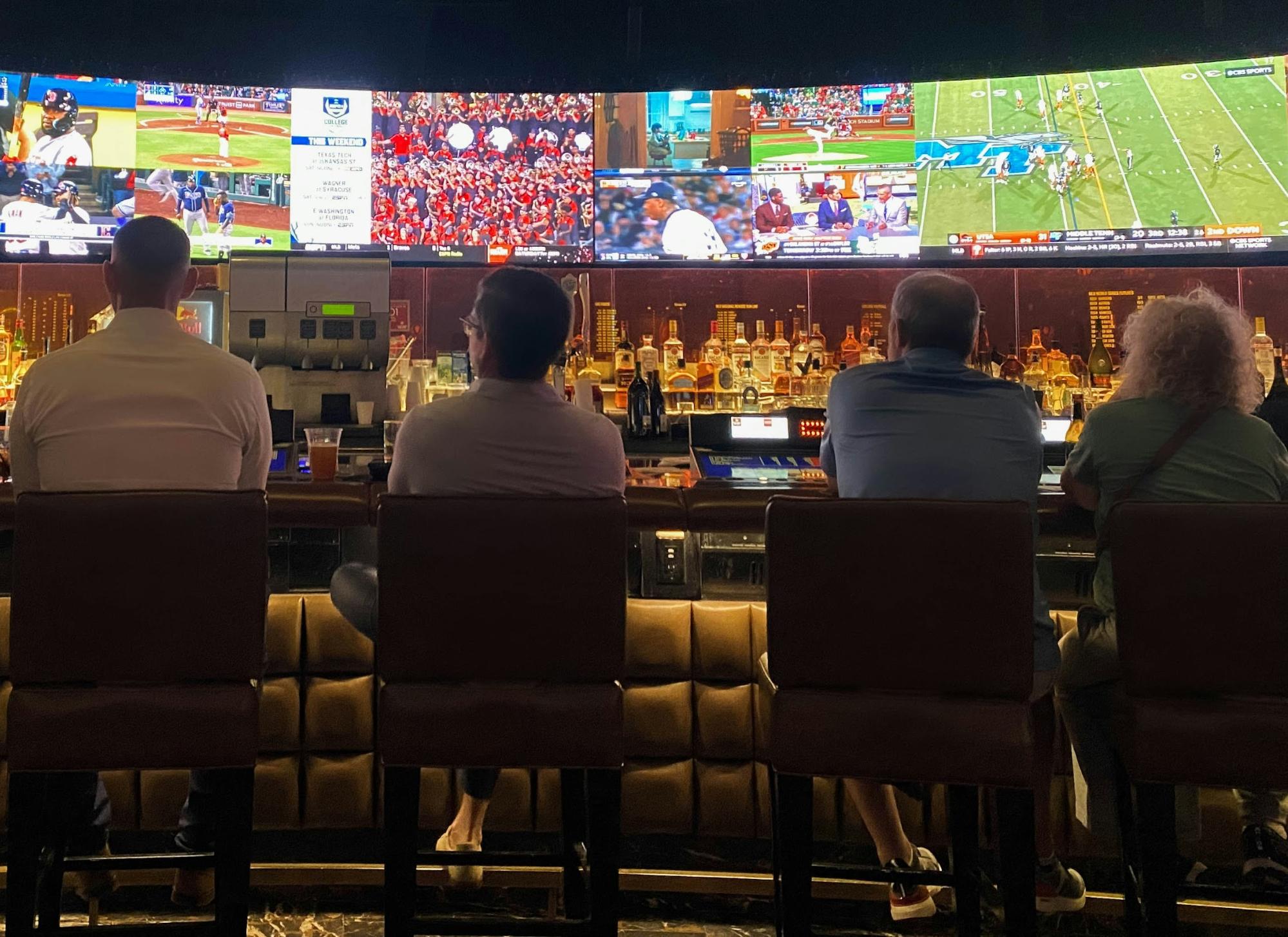
Sports betting and online gaming exploded in New Hampshire after they became legal and went digital! This rapid growth was fueled by new laws and partnerships with private platforms, making it super easy for everyone to access. The state first allowed online lottery sales in 2018 and then legalized sports betting in 2019, opening the door to both in-person and mobile wagering through licensed operators.
The rise of digital platforms, daily fantasy sports, and third-party partnerships has transformed gambling in New Hampshire, making it more accessible than ever with mobile play and round-the-clock availability. In response, regulators have updated rules around age verification, geofencing, and responsible gaming tools to keep pace.
Here's a quick summary of the digital and sports betting boom:
2018: Online lottery launched, making it more convenient and expanding sales.
2019: Sports betting became legal, allowing mobile and retail sportsbooks.
2020s: Provider partnerships and app adoption accelerated market access and introduced regulatory challenges.
These points help you understand the tech and market shifts that influenced gaming behavior and revenue. Now, let's talk about the specifics of legalization and the main players.
When Did Sports Betting Become Legal?
Sports betting got the green light in New Hampshire in 2019. In the history of gaming in New Hampshire, this created a legal framework for both retail sportsbooks and mobile wagering, all under state regulation. You'll find nationally recognized platforms in the market, thanks to licensing agreements and operator partnerships.
DraftKings, for example, is one provider often mentioned in public reports as a key player in New Hampshire's sports wagering scene. These providers typically offer a mix of mobile apps, in-person betting windows, and exciting promotions.
Who Keeps Gaming in New Hampshire Fair and Square?
Gaming in New Hampshire is carefully managed by specific agencies and laws that define what's allowed, who needs a license, and how rules are enforced. The main players are the New Hampshire Lottery Commission, which runs the state lottery and sends money to education, and the Gaming Regulatory Oversight Authority (GROA), which oversees charitable gaming licenses, compliance, and broader gambling rules.
Charitable Gaming in New Hampshire: From Bingo to Big Casinos
Charitable gaming in NH has come a long way. What began as community bingo nights and small raffles to support local causes has evolved into a fully regulated, larger-scale sector. Today, charitable gaming includes games of chance, poker, and even Historical Horse Racing (HHR) machines—all designed to benefit nonprofits while providing a safe, entertaining experience.
Thanks to updated legislation, the state now allows a wider variety of gaming options, with some games operated by third-party providers on behalf of charities. This expansion has significantly increased fundraising for nonprofit organizations, while introducing private operators and HHR as major revenue sources.
The Nash is a standout example of a modern charitable casino, seamlessly combining community support with regulated gaming entertainment. In May 2025, it was reported as New Hampshire’s top revenue generator, contributing an impressive $1.6 million to eight nonprofit organizations.
Charitable gaming today offers multiple ways for nonprofits to raise funds:
Bingo and raffles: Classic community fundraisers that remain popular
Games of chance and card rooms: Provide consistent revenue streams for organizations
Historical Horse Racing (HHR): Offers machine-style gaming that generates higher returns
These options illustrate the breadth of charitable gaming in New Hampshire and how it complements state lotteries and racing revenues.
How Charitable Gaming Went from Simple Bingo to Modern Venues Like The Nash
Charitable gaming started small, with nonprofits running bingo nights and raffles. Its growth accelerated with regulatory reforms that allowed additional game types and brought in third-party operators. Reforms in the early 2000s enabled for-profit operators to manage charitable gaming under contract, professionalizing operations and boosting the funds available for charities. The introduction of HHR in 2021 further accelerated this growth and contributed significantly to the casino history of New Hampshire.
This journey—from casual bingo to professional charitable casinos—demonstrates how New Hampshire has balanced effective fundraising with careful oversight, creating a thriving system that benefits both the community and nonprofit organizations.
Gaming at The Nash
The history of gaming in New Hampshire reveals its significant contributions to public funding and community welfare. From the establishment of the state lottery to the rise of digital gaming and the establishment of modern casinos like The Nash, each development has enhanced accessibility and revenue generation for essential services.
As you explore the rich history and current industry of gaming, consider how these changes impact your own experiences and opportunities. Dive deeper into New Hampshire's gaming scene and visit The Nash to learn more today!
%3Aformat(webp)&w=2048&q=80)