%3Aformat(webp)&w=2048&q=80)
Responsible gaming keeps gambling fun and under control. It combines clear rules, personal limits, and venue safeguards to reduce harm while letting players enjoy themselves. This guide discusses responsible gaming in New Hampshire, shares practical tips for safer play, and describes how venues like The Nash Casino support guest well‑being.
What Is Responsible Gaming and Why Does It Matter at The Nash Casino?
Responsible gaming is a mix of venue policies and personal habits that keeps gambling an entertainment choice rather than a source of harm. It works by giving players the information and tools to make informed decisions that reduce risk and by providing easy access to help when needed.
Evidence shows that well‑designed, responsible gaming programs change behavior and reduce harm when consistently applied.
Casino Responsible Gaming Policies and Player Behavior
Casinos are entertainment venues, but gambling can create financial and emotional strain for some players and families. Operators implement responsible gaming policies and practices to reduce those harms and encourage safer play. When these pieces work together, financial and emotional harm is reduced, and the overall experience is safer and more enjoyable for all patrons.
At The Nash Casino, this approach shapes how we communicate with guests and operate on the floor. That way, gaming remains a controlled leisure activity that also supports charitable giving.
If you need confidential help, The Nash recommends contacting the NH Council on Problem Gambling at 603-724-1605 or 1-800-GAMBLER.
How Does Responsible Gambling Promote Safe and Enjoyable Play?
Responsible gaming in New Hampshire makes risks clear, offers tools to help players stick to limits, and ensures staff can respond when signs of harm appear.
Simple steps, such as setting a pre‑commitment budget or using a visible timer, reduce impulsive add‑on spending and help players enjoy the experience without surprises.
Placing signage and brochures where they’re easy to find normalizes asking for help.
Displaying helpline numbers also promotes safe and enjoyable gameplay.
A guest who uses a one‑hour timer and a $100 cash limit is more likely to leave satisfied than someone chasing losses without structure. These practical measures form the foundation for a venue’s commitments to guest well‑being.
What Are The Nash Casino's Commitments To Patron Well-Being?
At The Nash Casino, we’re committed to clear information, ongoing staff training, and straightforward referral options that keep guests safe without interrupting hospitality. That means on‑floor signage with helpline numbers, printed brochures about safe play, and staff trained to offer help if a guest appears distressed or requests assistance.
As a charitable gaming facility in Nashua, The Nash balances fundraising goals with harm‑minimization by actively linking patrons to statewide support. The outcome is a space where guests have the information and help they need to keep gaming recreational. Plus, staff can connect people to confidential services when appropriate.
Safe Casino Gaming Tips for New Hampshire Players
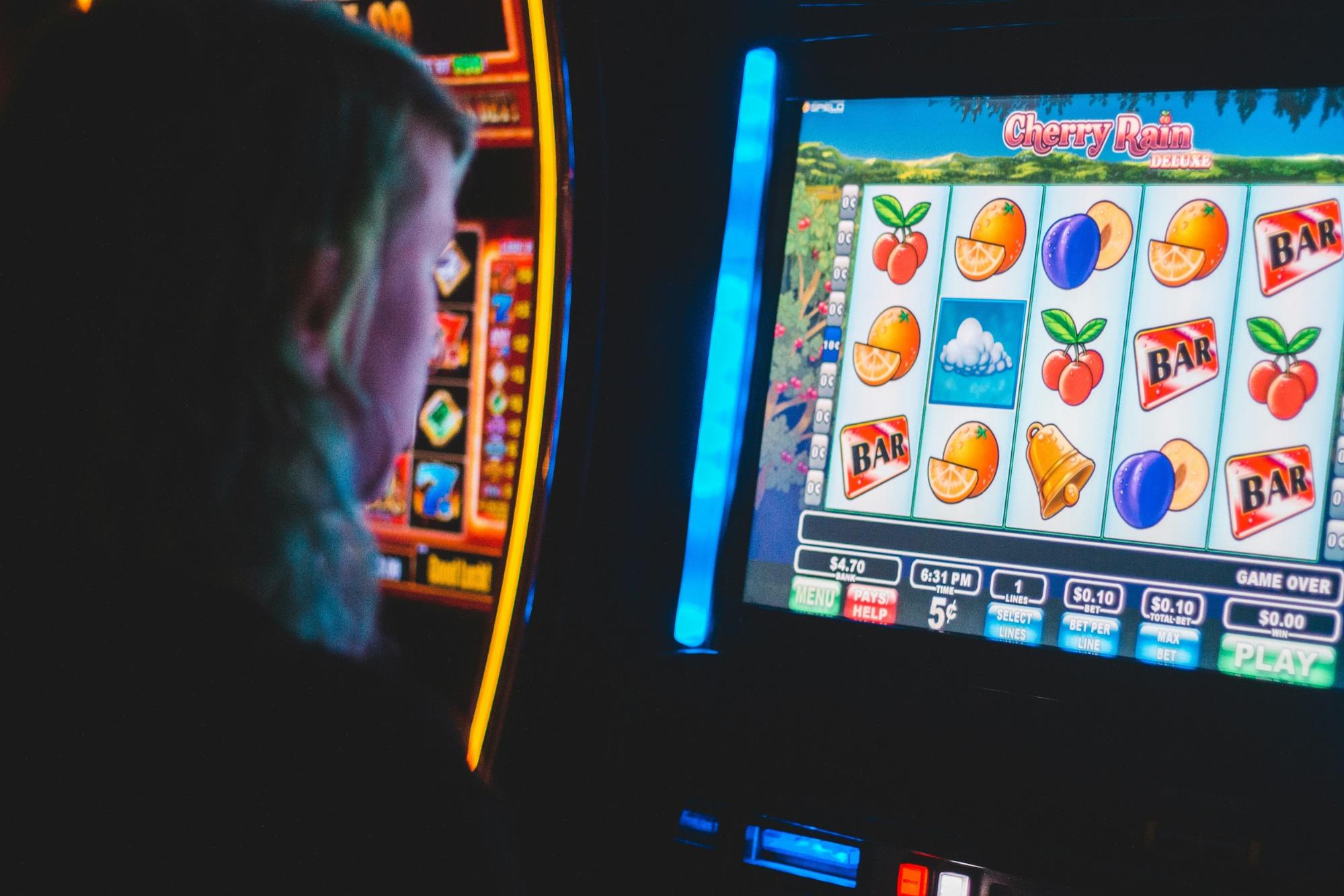
Safe gambling tips are practical actions you can take before and during play to protect your time and money. They replace impulsive decisions with predictable routines, such as pre‑set budgets, scheduled breaks, and avoiding chasing losses.
Below, we’ve listed straightforward tips that work at The Nash and any New Hampshire gaming venue. Learn how to apply each strategy and why it helps.
Decide on a firm money limit before you arrive and bring only that cash.
Set a time limit and use a timer or phone alarm to stop on schedule.
Take regular breaks. Step outside, drink water, and shift your focus.
Never borrow or use credit to chase losses; walk away when limits are reached.
Tell a friend your plan and check in with them if gambling feels urgent.
Use venue resources. Ask staff for information or a quiet moment off the floor.
Get help early if you notice repeated losses or trouble controlling play.
These steps help maintain perspective and reduce impulsive choices, improving both safety and long‑term enjoyment. We’ve also created a strategy table that turns each tip into a concrete action for responsible gaming in New Hampshire.
Strategy | How To Do It | Why It Helps |
Pre-set budget | Choose an amount, leave cards at home, carry only that cash | Stops overspending and impulsive top‑ups |
Time management | Set alarms or timers; plan breaks every 30 to 60 minutes | Reduces fatigue and hasty decisions |
Breaks & activity shifts | Step outside, call a friend, switch to another activity | Restores perspective and lowers arousal |
No chasing policy | Stop after a preset loss; do not borrow or use credit | Prevents escalation of losses and stress |
Social accountability | Tell someone your limits and check in during sessions | Provides outside support and gentle enforcement |
Combining strategies—such as a budget, timers, and a check‑in partner—provides stronger protection than any single step. This is how you practice responsible gaming in New Hampshire.
How Do You Recognize Problem Gambling and Assess Your Risk?
Spotting problem gambling starts with noticing changes in behavior, finances, or relationships that signal loss of control. Look for repeated patterns, such as persistent preoccupation, larger bets to chase excitement, or hiding activity. Compare them to your normal habits.
Multiple warning signs suggest a higher risk and may indicate it’s time for a self‑check or to contact support. The list below highlights common, clinically recognized signs to help you make an assessment:
Persistent thoughts about gambling or replaying past sessions in your mind
Needing larger bets or more frequent play to feel the same excitement
Unsuccessful attempts to cut back or stop playing
Borrowing money, lying about gambling, or hiding losses from others
Gambling to escape stress, anxiety, or other problems
Damage to relationships, work, or finances because of gambling
If several of these apply to you, a self‑assessment or professional contact is a sensible next step. The Nash offers on‑site options to support responsible gaming in New Hampshire.
Where Can New Hampshire Residents Find Problem Gambling Help and Resources?
In New Hampshire, the primary resource is the NH Council on Problem Gambling. They run a 24/7 confidential helpline and referral service for treatment, support groups, and education. The Nash connects patrons to these services through signage and staff referrals and encourages anyone who’s worried to reach out.
For immediate, confidential assistance, call the NH Council on Problem Gambling at 603-724-1605 or 1-800-GAMBLER.
Here’s what those services typically offer:
24/7 Confidential Helpline: Immediate listening, brief assessment, and referrals to local help
Referral to Treatment: Connections to licensed counselors, outpatient programs, and support groups
Education & Prevention: Materials and presentations for families, schools, and communities
Peer Support: Information on local Gamblers Anonymous meetings and mutual‑aid options
These options help callers find the right next step and lower the barriers to seeking help.
What Is the New Hampshire Self-Exclusion Program, and How Can You Enroll at The Nash?
Self‑exclusion allows a person to voluntarily ban themselves from participating in gambling at participating venues. It works by adding names to a statewide list that participating operators use to deny entry or wagering.
The program gives a strong, enforceable option for people who need distance from gambling. Bill H 480 creates a coordinated statewide self‑exclusion framework for responsible gaming in New Hampshire. Enrollment protects you across multiple participating locations. The table below summarizes enrollment steps, responsible parties, and what happens after you join.
Step | Responsible Party | What Happens Next |
Apply for self-exclusion | Patron completes the designated form with the venue or program office | Name is added to the statewide self‑exclusion list under Bill H 480 |
Venue notification | Venue staff/process receives the list | Venue enforces entry and wagering restrictions for listed individuals |
Support/referral | NH Council/venue provides referral information | Patron receives resources for counseling and support options |
Enrollment triggers coordinated actions: you request exclusion, and participating venues enforce the ban.
What Are the Steps To Join the Self-Exclusion Program at The Nash Casino?
To join self‑exclusion at The Nash Casino, request the designated self‑exclusion form from staff or the program office. A staff member will explain the available durations and answer questions.
After you complete and submit the form, your name is added to the statewide registry under Bill H 480, and The Nash enforces the exclusion in accordance with program rules. You’ll receive written confirmation and referral materials for counseling and support. Our staff can also point you to the NH Council on Problem Gambling for further assistance. If you need immediate help starting this process, call the NH Council 24/7 confidential helpline at 603-724-1605 or 1-800-GAMBLER.
Promoting Responsible Gaming in New Hampshire
Responsible gambling at The Nash Casino combines clear policies, visible resources, and trained staff to help guests enjoy gaming responsibly in Nashua. When playing at our establishment, patrons can enjoy gambling recreationally and protect their well‑being. Visit The Nash and learn more about our gaming options today.
%3Aformat(webp)&w=2048&q=80)